A Personal Story That Changes Everything

Why This Guide Matters for South African Dog Parents
I've structured this guide around the three distinct life stages every dog experiences, each with its own health priorities, challenges, and opportunities. Whether you're welcoming a new puppy home or helping a senior dog navigate their golden years, this guide will help you make informed decisions that keep your furry family member healthy and happy.
What You'll Learn in This Complete Guide
🐶 The Puppy Years (0-12 months)
- Essential vaccination schedules for South African conditions
- Deworming protocols that actually work
- Cost-saving strategies for new puppy parents
- When to worry and when to relax
🦴 The Adult Years (1-7 years)
- Preventative care that saves thousands in vet bills
- Joint health strategies for our active South African lifestyle
- Early detection of common health issues
- Weight management in our food-loving culture
🧓 The Senior Years (7+ years)
- Managing arthritis and mobility issues
- Recognizing and supporting cognitive changes
- Navigating age-related diseases with dignity
- Making the most of every golden moment
💰 Throughout Each Stage
- How preventative care saves you thousands
- When to splurge and when to save
- Insurance considerations for South African pet parents
- Emergency fund planning
A Quick Health Reality Check
dogs show dental disease by age 3
of adult dogs are overweight
of puppies lost to preventable diseases
years with preventative care
How to Use This Guide
I've designed this guide to be both a comprehensive reference and a practical tool. Each life stage section includes:
You cannot skip these
Require immediate vet attention
Specific to SA pet parents
Keep you organized
From 25+ years of practice
Whether you're reading through from beginning to end or jumping to your dog's current life stage, you'll find actionable advice based on the latest veterinary science and decades of hands-on experience with South African dogs.
Now, let's begin this journey together, starting with those adorable but demanding puppy days...
This guide is compiled by Luthando Mzizi based on years of industry analysis, rigorous editorial standards, and consultation with South Africa's top veterinary surgeons. It represents general preventative advice. Always consult your registered local veterinarian for medical diagnoses.

The Puppy Years: Building Strong Foundations (0-12 Months)
"I always tell new puppy parents: these first twelve months are like laying the foundation for a house. Get it right, and you'll have a sturdy structure for life. Rush it or cut corners, and you'll be doing repairs for years to come."
- Lead Veterinary Surgeon, SAVET Partner Clinic
Remember bringing your puppy home for the first time? That mix of excitement and overwhelming responsibility? The tiny creature that seems to need attention every five minutes, the middle-of-the-night toilet breaks, the constant worry about whether every little thing is normal?
You're not alone. Every year, through my industry analysis, I review hundreds of cases involving new puppy parents, and the questions are always the same: "Am I doing this right?" "When should I worry?" "How do I set them up for a healthy life?" "Why is everything so expensive?"
The truth is, puppyhood is simultaneously the most critical and most forgiving time in your dog's life. Their little bodies are remarkably resilient, but they're also completely dependent on you to make the right choices. The decisions you make in these first twelve months will impact your dog's health for their entire life.
The Non-Negotiables: Your Puppy's Health Essentials
Vaccinations: Your Puppy's Invisible Shield
Parvovirus is particularly cruel because it's entirely preventable, yet it still claims hundreds of puppies across South Africa every year. The virus attacks the intestinal lining and bone marrow, causing severe bloody diarrhea, vomiting, and rapid dehydration. Even with intensive treatment costing R8,000-R15,000, many puppies don't survive.
Your South African Puppy Vaccination Schedule:
6-8 weeks
First round of core vaccines (distemper, parvovirus, canine hepatitis, parainfluenza)
10-12 weeks
Second round plus kennel cough (Bordetella) - this is when safe socialization can begin
14-16 weeks
Final puppy series - full protection achieved 2 weeks later
12+ months
Rabies vaccination (essential if you plan to travel with your dog or use boarding facilities)
Additional vaccines to discuss with your vet:
- Leptospirosis: Recommended for dogs in areas with standing water or potential rodent exposure
- Biliary (tick fever): Not a vaccine per se, but preventative treatments are crucial in tick-endemic areas
Many South African veterinary practices offer comprehensive puppy packages that bundle vaccinations, deworming, health checks, and even microchipping at a significant discount. Across the clinics we analyze, families typically save R800-R1,200 compared to individual appointments. Always ask about package deals when you first visit!
Your puppy isn't fully protected until two weeks after their final vaccination (around 18-20 weeks old). Until then, avoid dog parks, pet shops, busy sidewalks, and any areas where unvaccinated dogs might have been. I know it's tempting to show off your adorable pup everywhere, but patience here literally saves lives.
This doesn't mean keeping your puppy in isolation—socialization is crucial for behavioral development. Instead, focus on:
- Visits to homes with fully vaccinated, friendly adult dogs
- Puppy socialization classes (reputable trainers will require vaccination certificates)
- Carrying your puppy in public places for exposure to sights and sounds
- Visits from vaccinated dogs to your home
Deworming: The Hidden Health Threat No One Talks About
Here's something that surprises—and sometimes upsets—many new puppy parents: nearly every puppy is born with worms. It's not a reflection of the breeder's cleanliness or care. It's simply biology. Roundworms can pass from mother to puppy through the placenta and later through nursing milk.

I've had families become angry with breeders, thinking they've been sold a "sick" puppy when we find worms in a fecal exam. But the truth is, if a puppy tests negative for worms at 8 weeks old, I'm actually a bit surprised!
Your South African Puppy Deworming Schedule:
| Age | Frequency | Notes |
|---|---|---|
| 0-12 weeks | Every 2 weeks | Regardless of fecal exam results |
| 3-6 months | Monthly | Critical growth period |
| 6+ months | Every 3 months | Adult maintenance schedule |
Common worms affecting South African puppies:
Roundworms
Most common, passed from mother to puppy
Hookworms
Can cause anemia, especially dangerous in young puppies
Whipworms
Less common but persistent when present
Tapeworms
Usually from flea ingestion (another reason for flea prevention!)
In a recent case file I reviewed, a family brought in their 10-week-old Labrador puppy, concerned because he seemed lethargic and wasn't gaining weight despite eating well. The puppy was bright and alert during the day but just seemed "off." A simple fecal exam at the clinic revealed a heavy roundworm burden.
Two weeks after targeted deworming, he was a completely different puppy—energetic, playful, and gaining weight like he should. The transformation was remarkable, and it reinforced for me why we deworm prophylactically rather than waiting for symptoms.
Deworming medications cost R80-R150 per treatment depending on your puppy's size. Compare this to treating severe anemia from hookworms (R2,000+ for blood transfusions) or the nutritional deficiencies caused by untreated worm burdens. Prevention wins every time.
Teething and Dental Care: Starting Habits That Last a Lifetime
Around 3-4 months, your puppy will start the teething process. This is when I get a lot of concerned phone calls about chewed furniture, nipped fingers, and general puppy chaos! But here's something most people don't realize—teething is actually a golden opportunity to establish lifelong dental habits.
Puppy teeth are sharp little needles designed to encourage weaning (mother dogs get tired of nursing when those teeth come in!). By 6-7 months, all the adult teeth should be in place. But this transition period is when you can make dental care a positive, normal part of your dog's routine.
Starting Dental Care Right
Start brushing your puppy's teeth now, even if they're baby teeth. Use a soft-bristled dog toothbrush and enzymatic toothpaste designed specifically for dogs. Never use human toothpaste—the fluoride and xylitol (artificial sweetener) are toxic to dogs.
Begin by simply touching your puppy's lips and teeth with your finger, rewarding with treats and praise. Gradually introduce the toothbrush with a tiny amount of dog toothpaste. Make it a positive experience with lots of praise, patience, and rewards.
Safe Teething Solutions
- Frozen Kong toys stuffed with puppy-safe treats
- Rope toys (supervise to ensure they don't ingest fibers)
- Puppy-specific chew toys that are softer than adult versions
- Frozen carrots (great for soothing sore gums)
- Puppy ice cubes made from diluted bone broth
What to Avoid
Cooked bones
Can splinter and cause intestinal damage
Ice cubes
Too hard and can damage teeth
Old shoes or socks
Teaches inappropriate chewing
Rawhide
Choking hazard for puppies
Dogs with good dental care from puppyhood live 2-3 years longer on average and save their families thousands in dental treatments. A professional dental cleaning under anesthesia can cost R3,000-R8,000 in South Africa, depending on the severity of dental disease and whether extractions are needed. Daily brushing costs less than R5 per month in toothpaste.
Spaying and Neutering: The Timing Revolution
This is where veterinary recommendations have evolved dramatically over the past decade. The old "spay or neuter at 6 months regardless of breed" recommendation has been refined based on extensive research, especially regarding larger breeds and long-term health outcomes.
Current Evidence-Based Recommendations:
Females: 6-9 months (before first heat cycle for maximum cancer prevention)
Males: 6-12 months (more flexible timing)
Females: 12-15 months (after first heat but before second)
Males: 12-18 months (after growth plates close)
Both sexes: 18-24 months (definitely after growth plates close)
Research has shown that early spaying/neutering in large breeds can increase the risk of certain orthopedic problems (hip dysplasia, cruciate ligament tears) and some cancers. However, intact dogs face different risks (mammary cancer, pyometra, prostate issues, behavioral problems).
Our warm climate means year-round breeding seasons, and intact dogs can be more challenging to manage. Work with your veterinarian to find the optimal timing for your specific dog, considering breed, size, lifestyle, and your ability to manage an intact dog responsibly.
Spaying typically costs R2,500-R4,500, while neutering costs R1,500-R3,000, depending on the dog's size and the veterinary practice. Some animal welfare organizations offer subsidized services. Plan for this expense early and consider pet insurance that covers routine procedures.
Essential Puppy Health Checklist (0-12 months)
Veterinary Care
- Complete vaccination series (6-16 weeks)
- Deworming every 2 weeks until 12 weeks
- Monthly vet check-ups until 16 weeks old
- Discuss spay/neuter timing with your vet
- Microchipping for permanent identification
- Establish relationship with local veterinary practice
- Emergency after-hours vet contact information
Daily Care
- Start dental care routine (daily brushing goal)
- Provide appropriate teething outlets
- Begin handling exercises (touching paws, ears, mouth)
Nutrition
- High-quality puppy food for expected adult size
- 3-4 small meals daily (adjust as puppy grows)
- Fresh water available at all times
- Avoid toxic foods (chocolate, grapes, onions, xylitol)
Environment
- Puppy-proof your home and yard
- Safe, comfortable sleeping area
- Appropriate toys for different developmental stages
- Begin crate training for safety and house training
Training & Socialization
- House training consistency
- Basic obedience (sit, stay, come)
- Proper socialization after vaccinations
- Leash training
- Bite inhibition training
Financial Planning
- Consider pet insurance enrollment (easier when young and healthy)
- Emergency fund for unexpected vet bills
- Budget for ongoing care costs

The Adult Years: Maintaining Peak Performance (1-7 Years)
"Adult dogs are like that friend who's always saying they're fine when they're not. They're stoic by nature, which means we need to be detectives, looking for subtle changes that might indicate problems brewing beneath the surface."
- Luthando Mzizi, Industry Analyst
If puppyhood is about building foundations, then the adult years are about maintaining the house and making smart upgrades before problems arise. This is when your dog is physically and mentally at their peak, but it's also when many long-term health issues silently begin their slow march toward symptoms.
I've learned over two decades of industry analysis that the most successful adult dog health strategies focus on three pillars: prevention, early detection, and lifestyle optimization. The families who master these three areas are the ones whose dogs sail smoothly into their senior years with minimal drama and maximum comfort.
Let me share what I wish every South African dog parent knew about navigating these crucial years.
Prevention: Your First Line of Defense Against Future Problems
Think of prevention as health insurance for your dog—except unlike human insurance, it actually prevents problems rather than just paying for them after they occur.
Vaccination and Parasite Prevention: The Year-Round Battle
Adult dogs still need protection, but thankfully the schedule becomes much simpler and more predictable than those intense puppy months.
Your South African Adult Dog Vaccination Schedule:
Annual Vaccinations (every 12 months):
- Core vaccines: Distemper, parvovirus, canine hepatitis, parainfluenza
- Kennel cough (Bordetella): Especially important if your dog goes to grooming, boarding, or dog parks
- Leptospirosis: Recommended for dogs in areas with standing water, hiking trails, or potential rodent exposure
Rabies Vaccination:
Only necessary if you plan to travel internationally with your dog or use boarding facilities that require it. South Africa doesn't mandate rabies vaccination for domestic dogs, but many facilities require it.
The Parasite Prevention Reality in South Africa:
Flea & Tick Prevention
Monthly spot-on treatments or flea/tick collars
Heartworm Prevention
Monthly tablets or annual injections
Regular Deworming
Every 3 months for most adult dogs
Regional Parasite Considerations:
| Region | Primary Concerns | Special Precautions |
|---|---|---|
| Coastal areas (KZN, Western Cape) |
Higher heartworm risk | Mosquito populations require year-round prevention |
| Lowveld (Mpumalanga, Limpopo) |
Intense tick pressure | Higher biliary (tick fever) risk |
| Urban areas | Flea problems | From stray cat populations |
| Rural areas | Livestock parasites | Higher exposure to wild animal diseases |
- Monthly prevention: R200-R400
- Severe flea infestation: R1,500+
- Tick fever treatment: R3,000-R8,000
- Heartworm treatment: R8,000-R20,000
Prevention isn't just cheaper—it's safer and less stressful for everyone involved.
Joint Health: The Investment That Pays Dividends Later
This might surprise you, but I start discussing joint health with families when their dogs are just 2-3 years old, especially for larger breeds. Why so early? Because joint damage is often irreversible, but it's highly preventable with the right approach.

I studied a fascinating case of two families with Boerboel littermates—same genetics, same upbringing for the first year. One family started joint supplements and strict weight management at age 3; the other waited until their dog showed obvious signs of arthritis at age 7. Today, at age 10, the difference in mobility and quality of life is dramatic. The proactive family's dog still goes on beach walks and swims in the Indian Ocean. The reactive family's dog struggles to get up from lying down.
My Adult Dog Joint Health Protocol:
Every extra kilogram puts four times the stress on joints. A 35kg dog that should weigh 30kg is carrying the equivalent joint stress of a 50kg dog. In our food-loving South African culture, this is often the biggest challenge I face with families.
- Swimming: Fantastic for South African dogs (we have incredible beaches and many dog-friendly dams)
- Controlled leash walks: Better than off-leash running for joint health
- Avoid repetitive high-impact activities: Extended fetch sessions, agility jumping
- Surface considerations: Beach sand and grass are gentler than concrete pavements
- Glucosamine and Chondroitin: Building blocks for healthy cartilage
- Omega-3 fatty acids: Natural anti-inflammatory properties
- MSM (Methylsulfonylmethane): Supports connective tissue health
- Orthopaedic beds: Not just for seniors! Quality supportive bedding helps recovery
- Non-slip rugs: Prevent slipping on tiles (common in South African homes)
- Raised food bowls: Reduce neck strain, especially for larger breeds
- Quality joint supplements: R300-R600 per month
- Orthopaedic bedding: R1,500-R3,000 (one-time investment lasting years)
Compare to: Arthritis treatment R2,000-R5,000 monthly for pain medications and management
Early Detection: Catching Problems When They're Still Manageable
The magic happens in the space between "perfectly healthy" and "obviously sick." This is where annual exams, routine bloodwork, and attentive pet parenting make the difference between catching a problem early (when it's manageable and affordable) and dealing with a crisis.
Annual Health Checks: Your Early Warning System
Experts recommend comprehensive annual exams for all adult dogs, and these aren't just quick look-overs. A thorough adult dog exam at a quality practice takes 30-45 minutes and often catches problems months or years before families would notice symptoms at home.
What a Comprehensive Adult Dog Exam Includes:
- Weight and body condition scoring (9-point scale)
- Dental examination
- Heart and lung evaluation
- Abdominal palpation
- Joint mobility assessment
- Skin and coat evaluation
- Eye and ear examination
- Energy level changes
- Appetite and drinking habits
- Sleep pattern alterations
- Social interaction changes
Recommended annually for dogs over 3 years:
- Complete blood count
- Chemistry panel
- Urinalysis
Annual exam with bloodwork: R800-R1,500
Early kidney disease management: R500-R1,000 monthly
Advanced kidney disease treatment: R3,000-R8,000 monthly
Common Adult Dog Health Issues in South Africa
Allergies: The Year-Round Challenge
South Africa's diverse flora means our dogs encounter many potential allergens throughout the year. Unlike seasonal allergies in other countries, many South African dogs deal with year-round sensitivities.
Watch for these signs:
- Excessive scratching or licking
- Red, inflamed skin
- Recurring ear infections
- Hair loss in specific patterns
- Gastrointestinal upset (food allergies)
Common South African allergens:
- Environmental: Grass pollens, tree pollens (especially plane trees), dust mites
- Food: Chicken, beef, wheat, dairy
- Contact: Certain plants, cleaning products, fabrics
Many allergies develop between 1-3 years of age, but it's not uncommon for dogs to develop new sensitivities throughout their adult years.
Ear Infections: The Humid Coast Reality
Our humid coastal climate, combined with many dogs' love of swimming in dams, rivers, and the ocean, makes ear infections incredibly common in South African dogs.
Higher risk factors:
- Floppy ears (Labradors, Golden Retrievers, Spaniels)
- Swimming enthusiasts
- Dogs in humid coastal areas
- Allergic dogs (inflammation makes ears more susceptible)
Prevention strategies:
- Weekly ear cleaning with veterinary-approved solutions
- Thorough drying after swimming or bathing
- Regular grooming to keep ear hair trimmed
- Allergy management if underlying sensitivities exist
Gastrointestinal Sensitivities: When Good Dogs Have Sensitive Stomachs
Some adult dogs develop food intolerances or sensitivities that weren't present as puppies. This can be frustrating for families who've been feeding the same food successfully for years.
Signs of GI sensitivities:
- Intermittent soft stools or diarrhea
- Excessive gas
- Occasional vomiting (especially bile in the morning)
- Decreased appetite or food enthusiasm
Management approaches:
- Limited ingredient diets
- Hypoallergenic foods
- Probiotic supplements
- Feeding schedule adjustments
Lifestyle Optimization: Helping Your Dog Thrive, Not Just Survive
This is where good pet parenting becomes great pet parenting. It's the difference between meeting your dog's basic needs and helping them reach their full potential for health and happiness.
Dental Health: The Gateway to Overall Health
But here's the encouraging news: dental disease is almost entirely preventable with consistent care.
My Comprehensive Dental Health Recommendations:
Daily Brushing (Gold Standard)
- Frequency: Daily ideal, minimum 3x/week
- Technique: Focus on gum line
- Products: Soft-bristled brush, enzymatic toothpaste
- Timing: After meals when possible
Dental Chews and Toys
- Look for VOHC approval seal
- Size appropriately
- Monitor consumption
- Quality over quantity
Professional Cleanings
- Frequency: Every 1-3 years
- Process: Full anesthesia, scaling, polishing
- Benefits: Removes tartar impossible to address at home
Diet Considerations
- Dental diets with special kibble
- Raw bones (controversial but can help)
- Avoid cooked bones and very hard objects
- Daily brushing supplies: R15-R30 monthly
- Quality dental chews: R200-R400 monthly
- Professional cleaning: R3,000-R6,000 every 2-3 years
Compare to: Advanced dental disease treatment R8,000-R15,000+
Adult Dog Health Checklist (1-7 years)
Annual Veterinary Care
- Comprehensive physical examination
- Vaccination updates
- Annual bloodwork (CBC, chemistry panel, urinalysis)
- Dental health assessment
- Body weight and condition scoring
- Discuss any behavioral or lifestyle changes
Daily Health Maintenance
- Daily dental care
- Weight monitoring and portion control
- Regular grooming for coat type
- Daily exercise appropriate for breed
Ongoing Prevention
- Year-round parasite prevention
- Quarterly deworming
- Joint supplements for large breeds
- Environmental modifications for joint health
Monthly Monitoring
- Body weight check
- Hands-on examination
- Dental health assessment
- Energy and behavior evaluation
- Appetite and drinking observation
Watch for Warning Signs
- Sudden appetite loss lasting >24 hours
- Vomiting or diarrhea with blood
- Difficulty breathing or excessive panting
- Sudden lameness or reluctance to move
- Bloated or distended abdomen
- Seizures, collapse, or disorientation
- Difficulty urinating or no urine
- Any new lumps or bumps
- Persistent coughing, especially at night
- Significant behavior changes
The Golden Years: Comfort and Quality of Life (7+ Years)
"Senior dogs have taught me more about grace and resilience than any textbook ever could. They may move a little slower and sleep a little more, but their capacity for joy and love often seems to grow with age. Our job is to ensure their bodies feel as young as their spirits."
- Luthando Mzizi, Industry Analyst
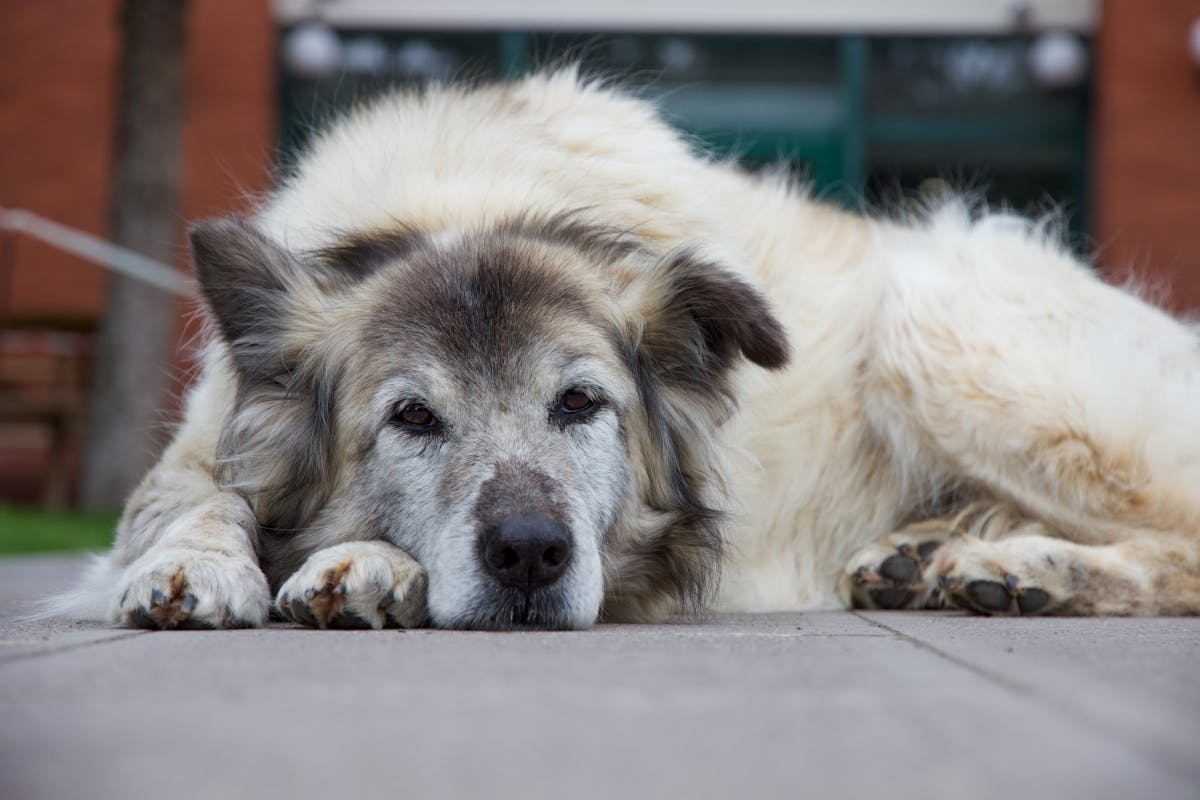
There's something magical about senior dogs. Maybe it's the wisdom in their eyes, the way they seem to savor every moment, or how they've learned to find comfort in the simple things—a sunny spot on the floor, a gentle pat, the sound of their family's voice. Whatever it is, these golden years deserve our very best care and attention.
But here's what I've learned after two decades of analyzing senior pet care: it isn't about managing decline—it's about optimizing comfort and maintaining quality of life for as long as possible. The dogs who age most gracefully are those whose families understand that "slowing down" doesn't mean "giving up."
Let me share the strategies that help my senior patients continue to find joy in every day, even as their bodies change.
Understanding When "Senior" Begins
Small Breeds
(<20kg)
Senior at 10-12 years
Medium Breeds
(20-40kg)
Senior at 8-10 years
Large Breeds
(40kg+)
Senior at 6-8 years
Giant Breeds
(>60kg)
Senior at 5-6 years
Larger dogs age faster due to higher metabolic demands and greater stress on organs and joints. A 7-year-old Great Dane is experiencing age-related changes that a 7-year-old Jack Russell won't see for another 3-4 years.
The Individual Reality: These are guidelines, not rigid rules. We see data on 12-year-old Labradors who act like puppies and 6-year-old Ridgebacks already showing significant arthritis. Each dog ages at their own pace, influenced by genetics, lifestyle, previous health care, and sometimes just luck.
Managing Age-Related Changes: The Big Three
In my experience, three major changes define the senior years: mobility issues, cognitive changes, and sensory decline. Families who understand and prepare for these changes navigate the senior years with much less stress and much better outcomes.
Joint and Mobility Issues: Keeping Them Moving Comfortably
Subtle Early Signs You Might Miss:
Physical Signs
- Stiffness after rest (especially mornings)
- Reluctance to jump into cars or onto beds
- Slower on stairs, hesitation before going up/down
- Less enthusiasm for walks
- Changes in gait or posture
Behavioral Changes
- Irritability when touched in certain areas
- Reluctance to play
- Increased sleeping
- Changes in temperament
- "Good days" and "bad days" pattern
My Comprehensive Senior Mobility Protocol:
Modern veterinary pain management is incredibly safe and effective. We have multiple options:
- NSAIDs: First-line treatment for most dogs
- Tramadol: For dogs who can't tolerate NSAIDs
- Gabapentin: Excellent for nerve-related pain
- Combination therapies: Often more effective than single medications
- 4CYTE: Contains Epiitalis, shown to help regenerate cartilage
- Rose Hip Vital: Natural anti-inflammatory with excellent safety profile
- Omega-3 fatty acids: High-dose fish oil for natural anti-inflammatory effects
- Turmeric supplements: Natural anti-inflammatory (ensure proper dosing)
- Swimming: The absolute best exercise for arthritic dogs
- Controlled leash walks: Multiple short walks better than one long walk
- Gentle massage: 5-10 minutes daily can improve circulation
- Range-of-motion exercises: Your vet can teach you simple techniques
- Non-slip rugs: Essential on our common tile floors
- Ramps: For cars, beds, or steps (R800-R2,000 investment)
- Raised food bowls: Reduce neck strain during eating
- Orthopaedic bedding: Memory foam supports joints (R1,500-R4,000)
- Warmth: Heated beds for cold Highveld winters
- Pain medications: R300-R800 monthly depending on size and needs
- Quality supplements: R400-R800 monthly
- Environmental modifications: R3,000-R8,000 one-time investment
Compare to: Poor quality of life, potential euthanasia considerations
I tell families: the goal isn't to eliminate all signs of aging, but to keep your dog comfortable and engaged with life. A dog who can walk to their food bowl, go outside to toilet, and enjoy gentle interactions is often happier than a younger dog with no routine or engagement.
Cognitive Changes: Supporting the Aging Mind
Canine Cognitive Dysfunction Syndrome—essentially dementia for dogs—affects up to 50% of dogs over 10 years old. The changes can be subtle at first, and families often blame themselves, thinking they've done something wrong.
Signs of Cognitive Dysfunction:
- Getting lost in familiar places
- Staring at walls
- Confusion about doors
- Awake all night
- Sleeping all day
- Disrupted patterns
- Less social interaction
- Not recognizing familiar people
- Increased anxiety
Supporting Cognitive Health:
Routine Maintenance
Consistent schedules become even more important. Feed at the same times, walk the same routes, keep furniture in the same places. Predictability reduces anxiety.
Mental Stimulation
Puzzle feeders (easier versions), gentle training, social interaction with calm dogs, sensory experiences with new smells and textures.
A recent clinic report highlighted a 13-year-old Border Collie named Jasper who developed moderate cognitive dysfunction. His family created a daily routine that includes a gentle 15-minute walk, two puzzle-feeding sessions, and quiet time with familiar music. While he's not the sharp working dog he once was, he's comfortable, engaged, and clearly enjoys his daily activities.
Health Monitoring and Disease Management
Senior dogs benefit from more intensive health monitoring because they're at higher risk for multiple age-related diseases, and early detection can dramatically improve outcomes and quality of life.
Increased Veterinary Care Schedule
Comprehensive Senior Exam Includes:
Common Senior Dog Diseases in South Africa
Early signs: Increased drinking and urination, mild weight loss, occasionally increased appetite
Management: Special diet, blood pressure control, regular monitoring
Prognosis: With early intervention, many dogs live 2-4 years comfortably
Early signs: Mild coughing (especially at night), decreased exercise tolerance, restlessness
Management: Heart medications, diet modification, controlled exercise
Prognosis: Varies widely, but most dogs can be kept comfortable for months to years
Watch for: Any new lumps or bumps, changes in appetite, unexplained weight loss, difficulty breathing, persistent lameness
Approach: Not all lumps are cancer, but all should be evaluated
Treatment options: Surgery, chemotherapy, radiation, palliative care—all gentler than human treatments
Signs: Increased drinking, urination, and appetite with weight loss
Management: Insulin injections, diet management, weight control
Prognosis: With good management, diabetic dogs can live normal lifespans
Senior Dog Health Checklist (7+ years)
Enhanced Veterinary Care
- Bi-annual comprehensive examinations
- Annual blood work
- Blood pressure monitoring
- Regular weight assessment
- Cognitive function evaluation
- Pain assessment and management
- Dental health monitoring
Daily Health Management
- Appropriate pain medication if prescribed
- Joint supplements
- Senior-appropriate nutrition
- Medication compliance
- Monitor eating, drinking, elimination
Comfort and Environment
- Orthopaedic bedding
- Non-slip surfaces
- Easy access to essentials
- Temperature control
- Good lighting
- Multiple resting spots
Modified Exercise
- Daily gentle exercise
- Mental stimulation adapted for ability
- Social interaction
- Routine maintenance
- Regular grooming
The Quality of Life Conversation
This is perhaps the most important discussion veterinarians have with families of senior dogs, and it's one you should have while the dog is still doing well, not in the midst of a crisis.
Quality of Life Indicators:
- Appetite and enjoyment of food
- Interest in surroundings and family
- Ability to move around comfortably
- Comfortable rest and sleep
- Basic dignity in elimination
- More good days than bad days
- When bad days outnumber good days
- When pain cannot be adequately managed
- When basic functions become impossible
- When your dog no longer seems engaged with life
Smart Financial Planning: Making Quality Care Affordable
"The most expensive veterinary care is the care you can't afford when you need it most. But the second most expensive is the preventable problems we could have avoided with smart planning."
- Luthando Mzizi, Industry Analyst
Let's talk about money. I know it's not the most comfortable topic when we're discussing our beloved family members, but after two decades of industry analysis, I've learned that financial stress often prevents families from making the best decisions for their dogs. I've seen too many families faced with impossible choices simply because they weren't prepared for the financial realities of pet ownership.
The good news? With smart planning and realistic expectations, quality veterinary care is absolutely achievable for most South African families. Let me share the strategies that help thousands of pet parents provide excellent care without breaking the bank.
The Real Cost of Dog Ownership in South Africa
Puppy Year (0-12 months)
- • Veterinary: R4,000-R8,000
- • Food: R2,400-R4,800
- • Supplies: R2,000-R5,000
- • Training: R1,500-R4,000
Adult Years (1-7 years)
- • Veterinary: R2,000-R4,000
- • Food: R3,000-R6,000
- • Grooming: R1,200-R3,600
- • Dental: R500-R2,000
Senior Years (7+ years)
- • Veterinary: R4,000-R10,000
- • Medications: R2,000-R6,000
- • Special food: R3,000-R5,000
- • Supplements: R1,000-R3,000
Call your vet immediately if you notice:
- Difficulty breathing
- Bloated abdomen
- Inability to urinate
- Seizures or collapse
- Severe bleeding
- Signs of extreme pain
Final Thoughts
Whether you are the proud owner of a wriggly puppy or walking a dignified senior, the choices you make every day matter. Small, consistent actions — vaccination, parasite prevention, proper nutrition, and regular check-ups — compound into years of better health, fewer emergencies, and a happier life for your dog.
If you take one thing from this guide, let it be this: prevention pays. Invest early, ask questions, and build a relationship with a veterinarian you trust. Your dog will thank you in years of wagging tails and bright eyes.